Does Your Florida Home Need Rewiring? 5 Signs to Watch For
Published February 10, 2026 • 6 min read • By Donny McGuire
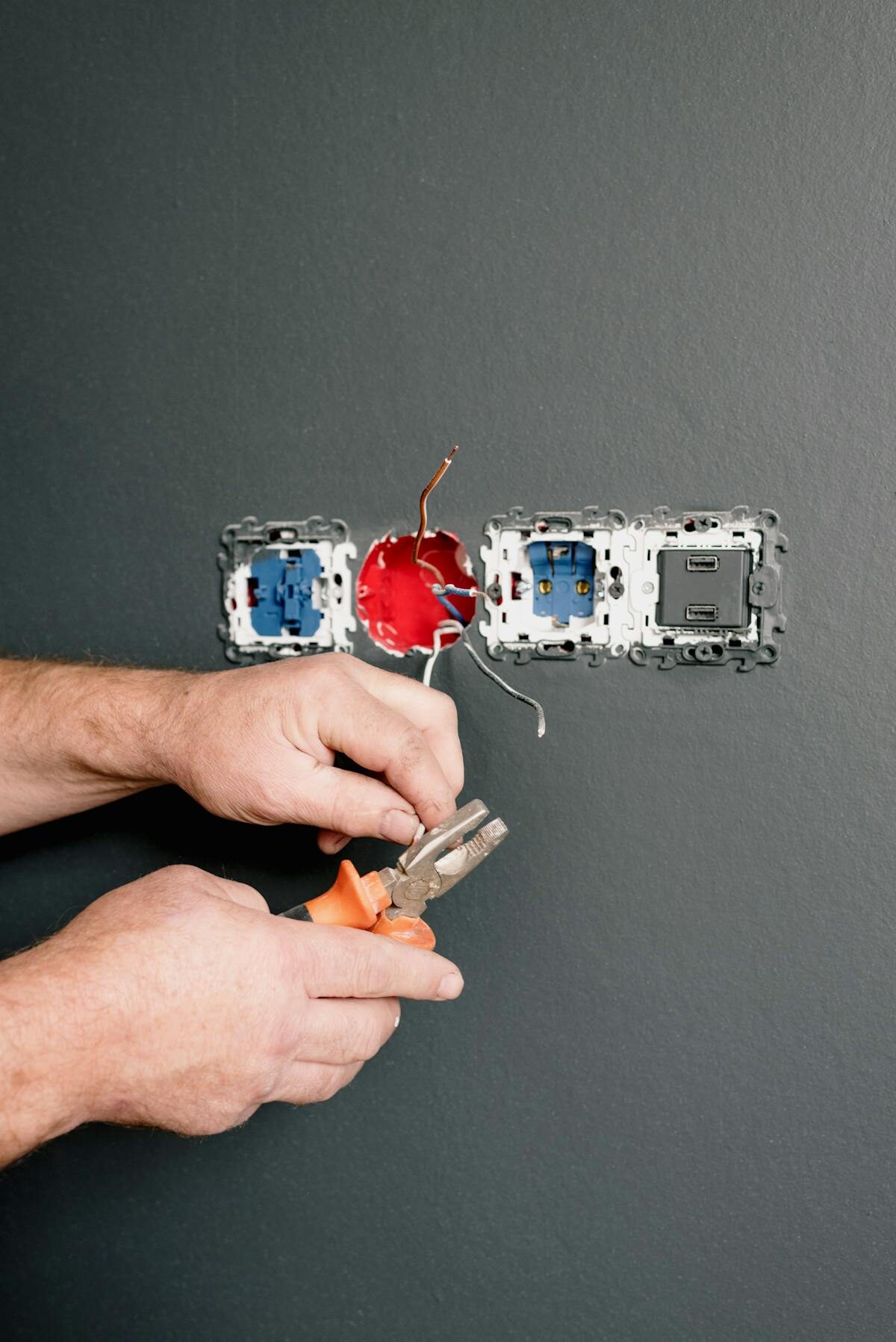
Rewiring a house is one of the bigger electrical jobs out there, and nobody wants to hear they need it. But in a state like Florida — where we have homes dating back to the 50s and 60s with their original wiring — it comes up more often than you would think.
The wiring inside your walls is out of sight, so most people never think about it until something goes wrong. Here are five signs that your home's wiring may need attention.
1. Your Home Was Built Before the 1980s
Age alone does not automatically mean you need a rewire, but it is the biggest risk factor. Homes built in the 1960s and 70s across Sarasota and Bradenton are now 50 to 60 years old. The wiring in those homes was designed for a completely different era — fewer outlets, smaller circuits, and a fraction of the electrical demand we have today.
The insulation on older wiring degrades over time, especially in Florida's heat. Attics in our area regularly hit 140 to 150 degrees in summer. That kind of heat breaks down wire insulation over decades, increasing the risk of shorts and arcing.
If your home is over 40 years old and has never had any wiring work done, it is worth having an electrical inspection to find out where things stand.
2. You Have Aluminum Branch Circuit Wiring
Between roughly 1965 and 1973, aluminum wiring was commonly used for branch circuits (the wiring that runs to your outlets and switches) because copper prices were high. The problem is that aluminum expands and contracts more than copper when it heats up, which can cause connections to loosen over time. Loose connections mean heat buildup. Heat buildup means fire risk.
You can sometimes identify aluminum wiring by looking at the exposed wires in your panel — aluminum is silver-colored while copper is, well, copper-colored. But the only way to know for certain is to have an electrician inspect it.
If you do have aluminum wiring, you have options. A full rewire replaces everything with copper. A less invasive option is "pigtailing" — adding copper connectors at every junction point, which is cheaper but needs to be done correctly with approved connectors (COPALUM or AlumiConn, not just wire nuts).
3. Breakers That Trip Frequently or Won't Stay Reset
Breakers that trip once in a while are doing their job. Breakers that trip regularly — or that you have to jiggle, push hard, or hold in place — are a problem. This usually means the circuit is overloaded, the wiring on that circuit has degraded, or the breaker itself has worn out.
When I see a home where three or four breakers trip frequently, it usually points to a wiring issue rather than just a panel problem. Replacing the panel puts new breakers on old wiring, which does not fix the underlying issue.
If your breakers are tripping and you are in an older home, get the wiring checked before assuming it is just the panel.
4. Discolored Outlets, Warm Switches, or a Burning Smell
These are the signs that tell me something is actively wrong right now. If an outlet or switch plate is warm to the touch, if you see brown or black discoloration around an outlet, or if you smell something burning near a wall — that is a connection problem creating heat where it should not be.
This can happen with any age of wiring, but it is far more common in older homes where connections have had decades to corrode and loosen. In Florida's humid environment, corrosion happens faster than in drier climates.
If you notice any of these signs, do not wait. Turn off the circuit at the breaker and call an electrician. These are the warning signs that come before electrical fires.
5. Your Insurance Company Requires It
Florida insurers have gotten much more aggressive about electrical requirements in the last few years. If you are buying, selling, or renewing a policy on an older home, the insurance company may require an electrical inspection. If that inspection turns up aluminum wiring, an outdated panel, or wiring that does not meet current code, they may require upgrades before they will issue or renew the policy.
I have done plenty of rewiring jobs that were triggered by insurance requirements. It is frustrating for homeowners, but it is actually a good thing — these inspections catch real safety issues that would otherwise go unnoticed until something bad happens.
What Does Rewiring a Home Involve?
A whole-house rewire means replacing all the wiring in your home with new copper wiring. In most cases, we can do this by running new wires through existing pathways in the walls, attic, and crawl space without tearing out drywall. Some drywall patching is usually needed, but we are not gutting your house.
The timeline depends on the size of the home. A typical 1,500-square-foot home takes three to five days. Larger homes or homes with complex layouts take longer.
Cost-wise, you are looking at $8,000 to $15,000 for most homes in the Sarasota-Bradenton area, depending on size and complexity. I break down pricing in more detail in my 2026 electrical cost guide.
Not Sure? Get an Inspection First
If you are not sure whether your home needs rewiring, the smart move is to get an electrical inspection first. I will go through your panel, check your wiring at accessible points, test your outlets and circuits, and give you an honest assessment. If your wiring is fine, I will tell you. If it needs work, I will explain exactly what and why.
Learn more about our whole-house rewiring service, or call me at (941) 539-8892 to schedule an inspection.